
Lake Whitefish Ice Fishing in Custer MI
Lake Whitefish Ice Fishing - What to Expect in Custer

Guided Trip by Guide Zach George in November

- Best Michigan Fishing with Capt. Zach George


Summary
Join a guided trip for Lake Whitefish ice fishing on Custer's frozen waters. This Thursday in October adventure showcases the unique thrill of winter fishing with experienced local guidance. Learn essential ice fishing techniques while targeting these prized freshwater fish in Michigan's stunning winter landscape.
Ice Fishing with Zach George - Rates & Booking
Guide Zach George of Reel Down Outfitters took to the ice on Thursday, October 29 to showcase what Lake Whitefish ice fishing looks like in Custer. This guided trip combines local expertise with the rewarding challenge of winter angling on Michigan's frozen lakes.
If you're interested in experiencing this unique fishing style, Reel Down Outfitters can help you plan the perfect outing. Ice fishing requires specialized knowledge about seasonal conditions, proper safety gear, and proven techniques to locate and catch whitefish beneath the ice. Contact the outfitter to discuss trip details and book your winter adventure.
Highlights of Lake Whitefish Ice Fishing
Lake Whitefish are a signature catch for ice anglers in this region. These fish are known for their fighting spirit and delicate flavor, making them a prized target during the winter season. The experience combines the solitude of frozen water with the excitement of landing a solid catch. Custer's lakes offer excellent depth and conditions that whitefish prefer, making this a prime destination for ice fishing enthusiasts.
The beauty of ice fishing in Custer is how accessible it becomes once the lake freezes over. You're working directly on the ice, drilling holes, and engaging with the water in a way that spring and summer fishing can't replicate. The cold, quiet environment creates a peaceful yet focused fishing experience.
Local Species Insights: Lake Whitefish
Lake Whitefish are freshwater fish found throughout the Great Lakes region and inland lakes across Michigan. They're bottom feeders that thrive in deeper, cooler waters, which is why ice fishing is such an effective way to target them. During winter, whitefish remain active beneath the ice, feeding on small insects, crustaceans, and other aquatic organisms.
These fish typically range from 1 to 3 pounds, though larger specimens are not uncommon. What makes them special to anglers is their combination of size, fight, and table quality. Unlike some fish that go dormant in winter, whitefish actually increase their feeding activity as water temperatures drop, making them reliable targets for patient ice anglers.
The habitat beneath frozen Custer lakes provides ideal conditions for whitefish populations. Deeper basins and areas with rocky bottoms concentrate these fish, and experienced guides like Zach know exactly where to find them. Understanding whitefish behavior and preferences is key to a successful ice fishing outing. These fish respond well to small jigging presentations and live bait, and the bite can be steady once you locate a good concentration.
Catching Lake Whitefish on ice is a rewarding experience that connects you with both the fish and the unique environment of winter angling. It's fishing in its purest form - direct, quiet, and focused on the subtle art of reading the water and responding to bites beneath your feet.
Fishing in Michigan: Lake Whitefish
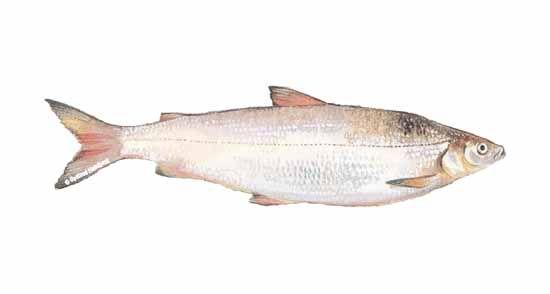
Lake Whitefish Overview
The lake whitefish (Coregonus clupeaformis) is a remarkable member of the Salmonidae family within the order Salmoniformes, making it a close relative of salmon and trout. This moderately deep-bodied freshwater fish is instantly recognizable by its distinctive small head in proportion to its body length—earning it the affectionate nickname 'humpback' fish among anglers and researchers. Found throughout the Great Lakes and across most of Canada, the lake whitefish has been a vital food source for communities from the Native American era to modern times, with the Ojibwe people calling this species Atikamig. What makes this fish particularly fascinating is its delicate, highly specialized mouth structure and its critical role in freshwater ecosystems across North America.
Lake Whitefish Habitat and Distribution
Lake whitefish thrive in the cold, deep waters of the Great Lakes and are distributed throughout northern North America wherever suitable deep freshwater lakes exist. These fish prefer moderate to significant depths, often retreating as far as 200 feet below the surface during warmer months when they school in dim, cold waters. The species is native to all five Great Lakes—Superior, Michigan, Huron, Erie, and Ontario—and extends its range throughout Canada, particularly in regions like the Athabasca Delta in northwestern Alberta. During spawning season from November through December, whitefish migrate into shallow bottom waters less than 25 feet deep to deposit their eggs on debris embankments. These fish undertake impressive spawning migrations; the longest recorded migration stretched 241 miles, from Fort McMurray to the north shore of Lake Athabasca in Alberta, Canada, demonstrating their remarkable navigation abilities and spawning dedication.
Lake Whitefish Size and Weight
Lake whitefish are medium to large freshwater fish, with typical specimens averaging 12 to 26 inches in length and weighing between 2 and 4 pounds. Commercial catches are generally more substantial, typically measuring 17 to 22 inches and weighing 1.5 to 4 pounds. The largest lake whitefish ever recorded was an impressive specimen exceeding 42 pounds, taken from Lake Superior back in 1918—a testament to the exceptional size potential these fish can achieve under ideal conditions. For most anglers and recreational fishermen, expect to encounter fish in the 12 to 39-inch range, with weights varying from 2 to 15 pounds depending on the specific lake system and individual fish maturity.
Lake Whitefish Diet and Behavior
The lake whitefish's small, delicate mouth restricts its diet to small, easily consumed prey items including insects, freshwater shrimp, small fish, and fish larvae. These bottom feeders spend most of their time grazing on or around lake bottoms, making them specialized foragers adapted to consuming the benthic invertebrates and small organisms that populate deep freshwater environments. During autumn and early winter, lake whitefish actively feed only during daylight hours, creating specific feeding windows for anglers. Their behavior is highly influenced by water temperature and seasonal changes; as water levels elevate in fall, whitefish school up in response to spawning urges and environmental cues. This schooling behavior, combined with their preference for cold water, makes them predictable during specific seasons and times of day, which experienced anglers can exploit for consistent catches.
Lake Whitefish Spawning and Seasonal Activity
Lake whitefish exhibit a clearly defined spawning cycle that drives much of their annual behavior. Spawning occurs primarily in November and December when mature fish move into shallow waters less than 25 feet deep to deposit eggs on debris embankments and rocky substrates. The eggs remain dormant through winter and hatch in spring when water temperatures rise, providing newly emerged fry with abundant food resources and warmer conditions for growth. In late summer, particularly in northern regions like the Athabasca Delta of northwestern Canada, whitefish undertake significant upstream migrations, swimming against current to reach traditional spawning grounds. These seasonal movements are so predictable that commercial and recreational fisheries have developed harvest strategies around them, though conservation efforts have become increasingly important as wild populations face various pressures. Recent conservation successes, such as the discovery of breeding lake whitefish and fertilized eggs in the Detroit River in 2006—the first recorded evidence in that area since 1916—demonstrate the species' resilience and the effectiveness of habitat restoration efforts.
Lake Whitefish Techniques for Observation or Capture
Commercial and Sport Fishing Methods: Lake whitefish produce the largest revenue for commercial fisheries in the United States and Canada throughout the Great Lakes. Commercial operations primarily use trapnets and gillnets deployed during open water seasons, though sport fishing has gained significant traction in recent years. For recreational anglers, small hooks baited with fish eggs remain highly effective, as does ultralight to medium-power spinning equipment spooled with 6- to 10-pound test line. A medium-capacity spinning reel with appropriate drag settings ensures reliable hook-sets on these delicate-mouthed fish.
Fly Fishing Technique: Winter and spring fly fishing presents an excellent opportunity to target lake whitefish, particularly when mayflies are abundant. Casting small flies on the water's surface during peak feeding periods yields consistent results. This method is especially productive when coordinated with seasonal behavior patterns and water temperature changes.
Advanced Rigging for Specific Conditions: A tiny jig floating near the surface under a float or casting bubble effectively attracts lake whitefish without hanging up on bottom structures. This rig can be slowly recovered or drifted around rocky reefs and points. Alternative baits include teardrop jigs tipped with wax worms or small live or salted minnows. Around the Great Lakes regions—particularly near Michigan, Wisconsin, and Ontario—experienced anglers find the best success targeting whitefish during their active feeding periods in late fall, when concentrated schools gather in staging areas before spawning migrations. Local bait shops near Lake Superior and Lake Michigan often provide current information on whitefish activity and proven techniques specific to each lake's unique conditions.
Lake Whitefish Culinary and Utilization Notes
Lake whitefish possess excellent food quality and have sustained communities for centuries. Their delicate, mild-flavored flesh is highly prized in both commercial and recreational contexts, commanding premium prices in markets throughout the Great Lakes region and Canada. The fish's firm texture and subtle taste make it suitable for numerous preparation methods including smoking, baking, pan-frying, and poaching. Beyond their culinary appeal, lake whitefish support important commercial fisheries that employ hundreds of people and generate millions of dollars in annual revenue. Their sustainability depends on responsible harvest practices and ongoing habitat protection, making them not only a valuable food source but also an important indicator of freshwater ecosystem health. The recent resurgence of lake whitefish populations in areas like the Detroit River highlights the potential for species recovery when environmental conditions improve and harvest pressures are managed appropriately.
Lake Whitefish Frequently Asked Questions
Q: What is the best bait or technique for catching lake whitefish?
A: Fish eggs on small hooks are highly effective, as are tiny jigs tipped with wax worms or small minnows. Fly fishing with small mayfly patterns works well during winter and spring when whitefish actively feed. Ultralight to medium spinning equipment with 6- to 10-pound test line provides the best balance of sensitivity and strength needed for these delicate-mouthed fish. The key is using appropriately sized gear since their small mouths cannot accommodate large baits or lures.
Q: Where can I find lake whitefish near the Great Lakes?
A: Lake whitefish are native to all five Great Lakes—Superior, Michigan, Huron, Erie, and Ontario—as well as numerous deep freshwater lakes throughout Canada. They prefer deep, cold waters and school in specific areas during fall spawning season (November-December), making this the most productive time to locate them. Local fishing guides and bait shops around Lake Superior and Lake Michigan offer current information on prime fishing locations and recent catches in specific regions.
Q: Is lake whitefish good to eat?
A: Absolutely! Lake whitefish offers excellent food quality with mild, delicate flesh that takes well to various cooking methods including smoking, baking, pan-frying, and poaching. Their firm texture and subtle flavor have made them a culinary staple in Great Lakes communities for centuries. They're commercially valuable precisely because of their superior eating qualities, and recreational anglers often keep their catch for table use.
Q: When is the best time to fish for lake whitefish?
A: November and December represent peak season as whitefish concentrate in shallow spawning grounds, making them easier to locate and catch in numbers. However, late fall through early spring provides consistent opportunities, with fish actively feeding during daylight hours in autumn and early winter. Around the Great Lakes, the transition from summer to fall—typically September through November—offers excellent sport fishing opportunities before spawning aggregations become the primary focus.
Q: What size lake whitefish should I expect to catch?
A: Most recreational catches range from 12 to 26 inches in length, weighing 2 to 4 pounds. Commercial catches typically measure 17 to 22 inches and weigh 1.5 to 4 pounds. Exceptional specimens can reach 39 inches or more, with the largest recorded lake whitefish exceeding 42 pounds from Lake Superior in 1918. Larger fish are generally encountered during commercial fishing operations or by dedicated anglers targeting prime spawning areas during peak season.
Q: Why are lake whitefish called 'humpback' fish?
A: The nickname 'humpback' refers to the distinctive body proportions of this species—they have a relatively small head compared to their overall body length. As lake whitefish age, this characteristic becomes even more pronounced due to a fleshy bulge that develops at the shoulders, creating a hump-like appearance that gives the species its common nickname among anglers and researchers familiar with Great Lakes fisheries.
